17:06 | 04.03.26 | Articles | exclusive 295
Health Innovation in Armenia: From Isolated Efforts to a Scalable Ecosystem

Armenia is witnessing a wave of health innovation from organizational transformation to cutting-edge technological solutions, including AI-driven projects and emerging startups. Yet despite this growing activity, one key challenge remains: adoption and scalability.
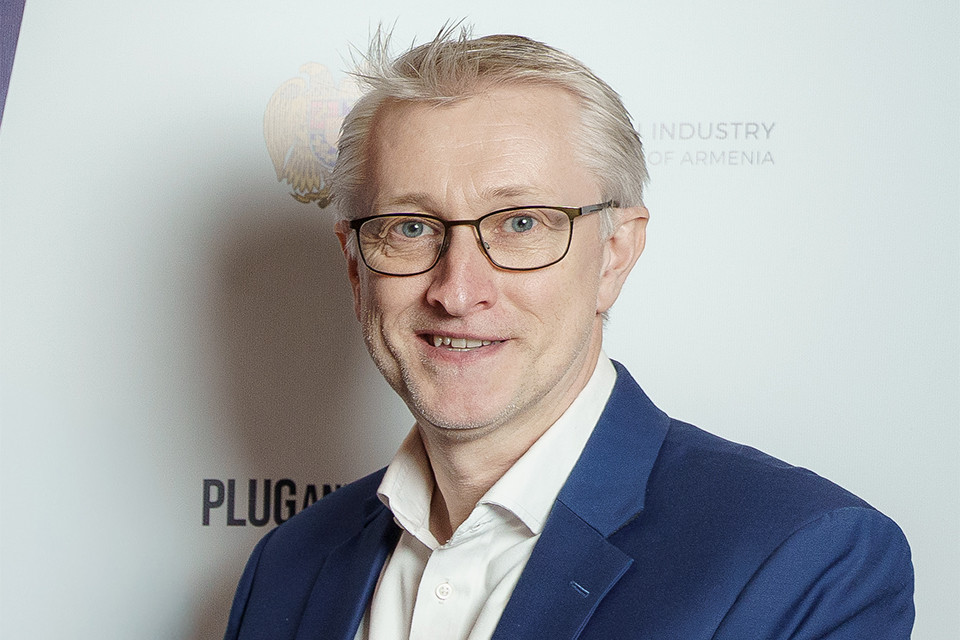
In a conversation with iTel.am, Vicken Ohannessian, founder and CEO of Vickino, a healthcare innovation company, presented the integration, adaptation, and scaling of technologies in the healthcare sector.
Personal connections and the isolated system
Actually, we have a lot of health innovation happening, both from an organizational perspective and also from a technology perspective, with different technological solutions, AI projects and startups that are being developed and implemented in Armenia. However, we have an issue with adopting this innovation and having an ecosystem and infrastructure that allows this innovation to grow.
Right now, the organization is very isolated, everyone is in their own angle and we don't have a structured way for health innovations to be brought to the health system. Collaboration often depends on personal networks and informal connections rather than on a national framework designed to identify, test, evaluate, and scale solutions.
Building a network to unlock collective power
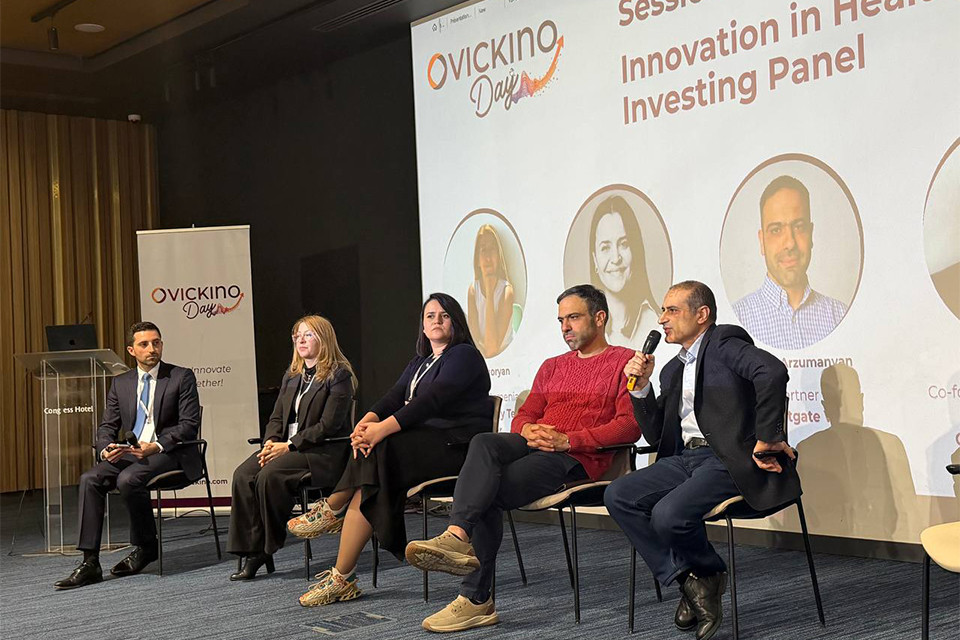
The main goal of the event today is to create this network of people who are innovating already, those who want to go further, and to make people understand that by the strengths or the power of the network, we can do much more. This is why we convened this event today.
By creating a network, organizers aimed to demonstrate that collective strength can significantly amplify impact. When innovators are connected through a shared platform, the “network effect” can accelerate development, testing, and scaling of solutions.
The message was clear: Armenia already has innovators. What it needs now is coordinated collaboration and infrastructure to enable sustainable growth.
Vickino Day: a starting step
Vikino is a health innovation company. We are mostly working on advisory services, trainings, audits, strategy definition, project implementation, as well as software development and solution development with different partners.

Although Vikino is not an IT company, it collaborates with technology partners to develop and implement solutions. We have seen the different issues, and this is why we decided to bring everyone on the one-day event as a starting point for building a more cohesive health innovation community.
International experience
Importantly, the challenges Armenia faces are not unique. Many countries struggle with innovation adoption in healthcare, so it's not just a main problem on us.
And the countries who have defined a framework to identify, test, evaluate, and scale innovation go much faster. Over the past years, the country has successfully built a vibrant tech ecosystem. We should duplicate it or initiate something similar in the health area as well, to be able to generate this network effect and grow much faster.
Investments in Armenian HealthTech
The reality is that the country is still at what was described as a “field zero level” in healthcare investment. Unlike the broader tech sector, HealthTech branding and positioning remain underdeveloped. A dedicated panel on healthcare investment was scheduled as part of the event to address: how to attract more investment, what frameworks are needed, and how to build investor confidence.
Health tech in Armenia is interesting to invest in. The same way now it's starting from a tech sector. Branding, ecosystem development, and structured scaling mechanisms will be key.
Embracing new technologies
Globally, digital tools and advanced systems are becoming standard practice in healthcare systems. Armenia should not fear these developments. We should embrace it.
However, successful adoption requires a regulatory and monitoring system to ensure safety, proper training for healthcare professionals, and sustainable implementation strategies.
The road ahead
Armenia stands at an important moment in its healthcare development. Innovation is already happening. Talent exists. Solutions are being built. The next phase requires coordination, investment, and system-level thinking.
By building networks, defining frameworks, and embracing structured collaboration, Armenia can move from isolated innovation efforts to a scalable, nationally integrated health innovation ecosystem. The foundation is there. The challenge now is turning potential into sustainable progress.
Nune Grigoryan

17:23 | 18.02.26 |
Articles
Armenian Zegashop Competes with Shopify and Wix
17:08 | 13.01.26 |
Articles
YSU’s supercomputer: When a wish becomes a necessity